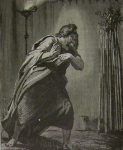
Biblical Figure
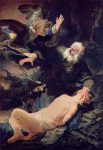
(Early 2nd Century BCE) Biblical patriarch. He was the legendary forebear of both the Jews and the Arabs through different women. His life expressed a fervent devotion to his God and to monotheism.
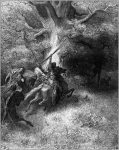
Prince of Israel. The most cherished son of King David, he betrayed his father.
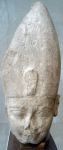
King. He liberated Egypt from the Hyksos (Semites who occupied Egypt for several hundred years), and in effect began the Egyptian Empire. Despite its initial success, this and most later empires exemplify the process by which a country loses or nearly loses its independence, becomes obsessed with the search for security, which in turn make its neighbors feel increasingly insecure, which eventually unites the neighbors or otherwise brings invasion and destruction.
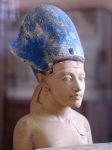
King, 18th dynasty, the "heretic" Pharaoh. A religious mystic, possibly a pacifist, he instituted the first monotheism known to human history.
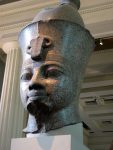
King. His career expressed militarism, killing, conquest, self-aggrandizement, and vanity, but also confidence, courage, and strength. Like all Pharaohs, he poured Egypt's vast treasure, both from plunder and from the agricultural bounty of the Nile, into palaces, temples, and temple endowments, where it was effectively frozen. One can only imagine the enormous wealth and the changes in human welfare that might have resulted if these resources had been invested in private or public enterprises at the very dawn of recorded history.
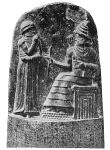
King, lawgiver. His code, carved in stone, is the earliest extant.
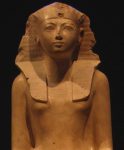
Queen. She had herself crowned Pharaoh, an unheard of step for a woman.
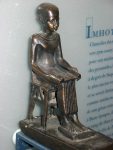
Physician. He was one of the earliest doctors known to history and was considered a wise man as well.
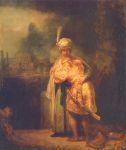
Biblical figure. He refused to abandon his close friend David despite his father King Saul's hostility to him and the threat posed to his succession. In the end, he was killed in battle with the Philistines along with his father.
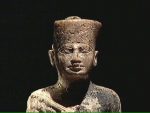
King. He ordered the building of the Great Pyramid, viewed by some as a great accomplishment, by others as an embodiment of self love and grandiosity.
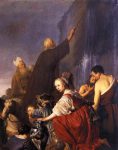
Jewish leader. A legendary figure, he gave to the Jews, and then to other religions, a strict, even fierce, monotheism, the famous Ten Commandments governing personal conduct, and for Jews the entire Mosaic Law.
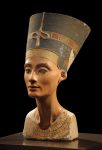

King, adventurer. He became a symbol of self-glorification.
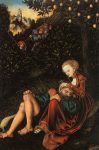
Biblical hero. He was human and made a grave mistake, but nevertheless became an exemplar of strength and bravery.
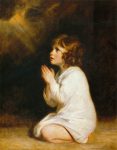
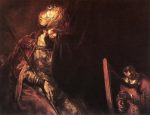
King. A brave but tragic figure, he was undone by his own fears.
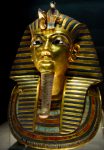
King. A "boy" pharaoh, he ended monotheism, and may have been murdered by an ambitious courtier. His intact tomb when discovered in 1922 dazzled the world with its rich artifacts.
