
Author. He was an important mystic whose work was eventually condemned by the Roman Catholic Church.
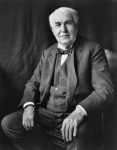
Inventor. He was one of the most prolific inventors in history, but is especially remembered for the electric light bulb. His career exemplified the power of one curious human mind to change everyone's life and also, to many people, the hope and promise of progress.
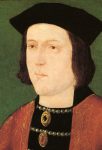
King. His return to England from exile was an act of great courage.
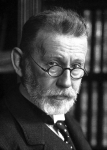
Entomologist and ecologist. An expert on insects, he became a public spokesman for environmental causes and especially for population control.
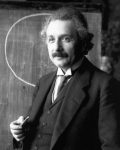
Physicist. He became world famous for his theory of relativity while in Germany, but moved to the United States because of Hitler. His moral thought was evocative of Buddhism, with its avoidance of metaphysics and personal desire, and he was generally sympathetic with socialist and pacifist ideas.
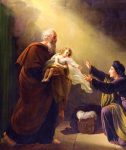
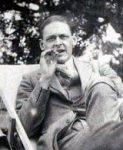
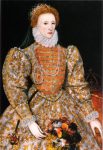
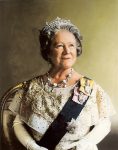
Queen. She became a symbol of courage, endurance, and brains.
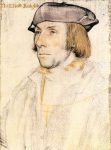
Novelist. She described the wretched treatment of women.
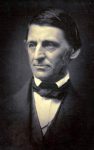
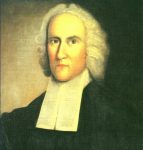
Author and lecturer. A failed Unitarian minister, he became a kind of secular preacher, and developed a wide audience. His "transcendental" philosophy is usually called "idealist," but is not Kantian. In moral philosophy, he was a romantic individualist and emphasized self-reliance, the title of a famous essay.
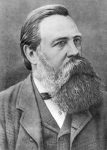
Author and political activist. He co-authored the Communist Manifesto with Karl Marx and otherwise assisted Marx and Marxism.
Botanist. He was a plant classifier and thus combined a love of logic with a love of nature.
